Rationale
For many patients, vaginal birth is the preferred goal when it is clinically appropriate and safe. Although cesarean birth can be lifesaving when medically indicated, it is a major surgical procedure associated with increased risks of infection, bleeding, hemorrhage, and venous thromboembolism. It may also increase risks in future pregnancies, including repeat cesarean birth and placenta accreta spectrum.
National data also demonstrate inequities in NTSV cesarean birth rates, particularly between Black and White patients. Addressing these differences is an essential component of improving the quality, safety, and equity of maternity care.
The NTSV cesarean birth rate is an important measure of hospital maternity care quality. It is tracked through The Joint Commission’s PC-02 measure, which remains in use for certification, and is publicly reported by organizations such as The Leapfrog Group. NTSV cesarean birth rates are also considered by external hospital-rating programs, creating additional interest among hospitals in improving performance and reducing variation in care.
The PNQIN Safe Reduction of Nulliparous, Term, Singleton, Vertex (NTSV) Cesarean Birth Collaborative supports Massachusetts birthing hospitals in implementing evidence-informed, equitable, and patient-centered practices that safely promote vaginal birth and safely reduce unnecessary cesarean deliveries. The collaborative is guided by the Alliance for Innovation on Maternal Health’s Safe Reduction of Primary Cesarean Birth Patient Safety Bundle, which provides actionable strategies for improving labor support, shared decision-making, clinical practices, and systems-level learning.
Collaborative Goal: By June 2027, participating Cohort 1 hospitals will reduce their NTSV cesarean birth rates by at least 10%, without disparities by birthing person race and ethnicity, insurance type, or language. The collaborative’s ultimate target aligns with the Healthy People 2030 objective of achieving an NTSV cesarean birth rate of 23.6% or lower.
AIM Safe Reduction of Primary Cesarean Birth Patient Safety Bundle
Participation: Cohort-Based Model
Unlike previous bundles, the Safe Reduction of NTSV Cesarean Birth Collaborative uses a cohort-based model. This approach brings together a smaller group of hospital teams for a structured learning collaborative focused on shared learning, data review, quality improvement, and the implementation of evidence-informed practices.
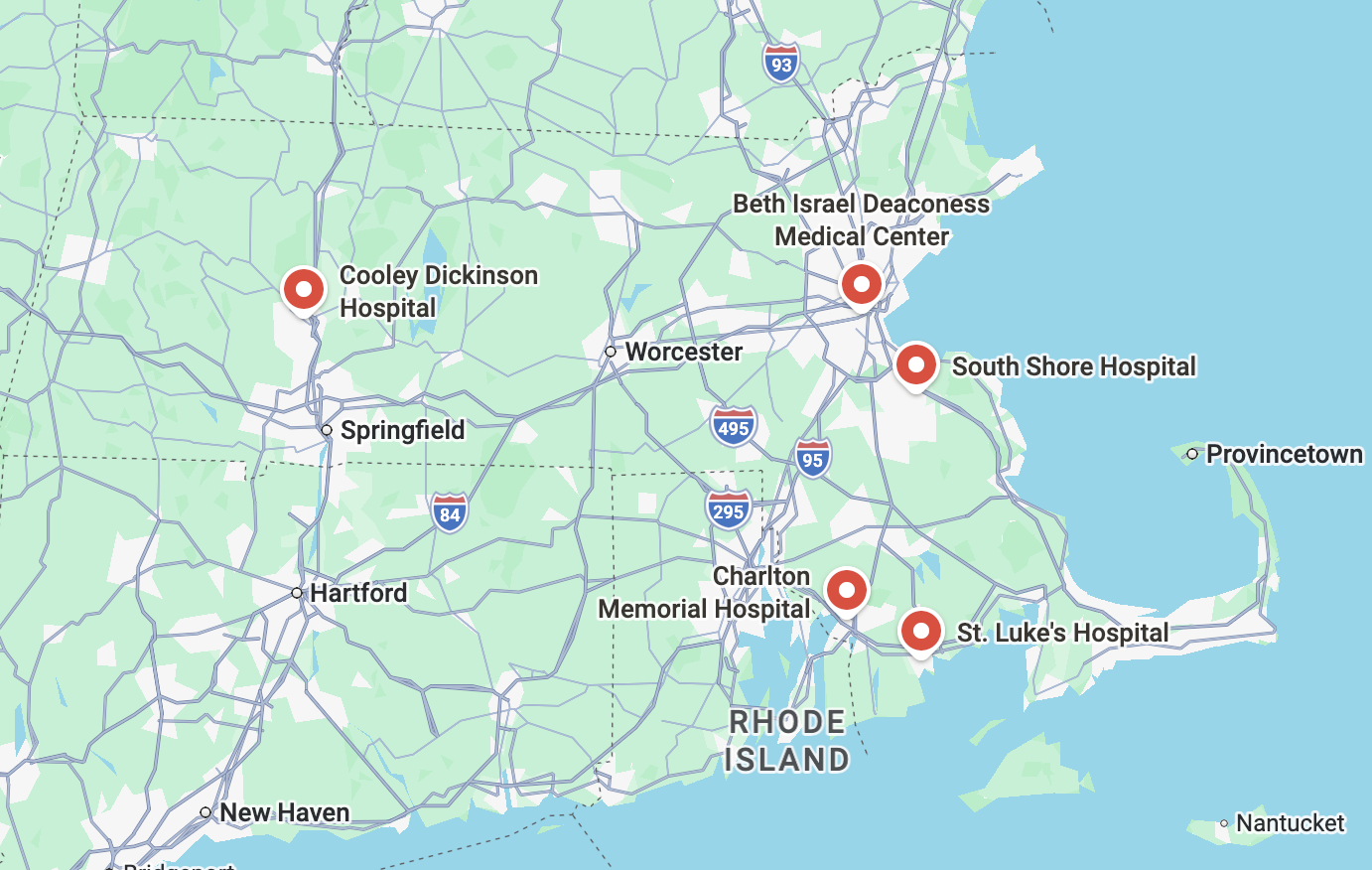
Cohort 1 NTSV Bundle participation will run from October 2026 to June 2027, and includes five hospital sites listed at the end of this page.
Throughout the nine-month collaborative, participating teams will attend monthly learning sessions, submit and review data, share progress and challenges, and receive quality improvement guidance and technical assistance from PNQIN and its partners.
Additional cohorts are expected to begin in Summer/Fall 2027, allowing additional Massachusetts birthing hospitals to participate in the initiative through future October-to-June collaborative cycles. Participating hospital teams will be added to this page once each cohort has completed the onboarding process.
Quality Improvement Resources
The QI resources below provide information and tools to support your Safe Reduction of NTSV Cesarean Birth Patient Safety Bundle implementation.



NTSV Bundle Teams
For Cohort 1 (October 2026 – June 2027), we have 5 participating hospital teams, listed below:
- Beth Israel Deaconess Medical Center
- Cooley Dickinson Hospital
- Southcoast Charlton Memorial Hospital
- Southcoast St. Luke’s Hospital
- South Shore Hospital